How to Start a Clothing Brand: 8 Proven Steps From a Manufacturer’s Perspective
Most guides on how to start a clothing brand are written by print-on-demand platforms by print-on-demand platforms with a service to sell you. This one is written by a blank apparel manufacturer and the difference is significant.
The global custom apparel market is approaching $6 billion in 2026, growing at nearly 10% annually. The founders capturing real margin in that market aren’t the ones using generic POD platforms. They’re the ones who made smart decisions about their product foundation early — the blank, the fabric, the production partner before spending a dollar on branding or marketing.
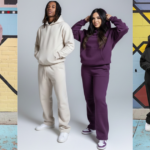
At Loopback Apparel, we manufacture blank hoodies, sweatshirts, and sweatpants at 480 GSM for brands, decorators, and private label buyers. We’ve seen what separates clothing brands that build something lasting from the ones that sit on unsold inventory six months after launch.
Here are the 8 steps that actually matter.
Step 1 Find a Niche, Not Just a Product
The single biggest mistake new clothing brand founders make is starting with a product instead of a niche.
A product can be copied overnight. A niche a specific audience with a specific aesthetic identity takes time to build and is genuinely hard to replicate. The most profitable independent clothing brands in 2026 own a niche: heavyweight streetwear basics, premium gym sets, minimalist workwear, or oversized neutral-toned essentials.
Your niche answers three questions before you design anything:
- Who is wearing this specifically?
- What do they already buy, and why doesn’t it fully satisfy them?
- What can you make that fits their life better than what exists?
Instagram hashtags, Reddit communities like r/streetwear, and TikTok comment sections are faster and cheaper for niche validation than any market research report. Spend a week there before spending a dollar elsewhere.
Step 2 Define Your Brand Identity Before You Source Anything
Your brand identity is the consistent thread that runs through every decision you’ll make product choice, color palette, photography style, tone of voice, packaging.
It needs to be defined before you choose a blank, not after.
A brand that knows it’s positioning as premium heavyweight streetwear needs a different product, a different price point, and a different blank than one positioning as fun, affordable graphic tees. Starting without this clarity is how founders end up with inventory they can’t sell because the product doesn’t match the brand they built around it.
Define at minimum:
- Name and handle available as a domain and on every platform you’ll use
- Visual identity 2-3 core colors, a logo that works at small scale on a woven label
- Tone of voice premium and minimal, playful and energetic, technical and precise?
- Target customer specific enough that you can picture one real person
Step 3 Choose the Right Production Model for Where You Actually Are
This is the decision most guides underexplain, because most guides are written by platforms with a financial interest in the answer.
There are three production models in 2026:
Print-on-Demand (POD): Zero inventory, zero upfront cost. A third party prints and ships directly to your customer. Good for testing whether a design concept has demand. Not a long-term brand strategy margins are thin, base products are generic, and you control nothing about the quality or unboxing experience.
Blank Apparel / White Label: You source quality unbranded blanks, apply your own decoration and branding, and sell under your brand. You control the product quality, the brand experience, and the customer relationship. This is the preferred model for serious independent brands at launch and the model Loopback Apparel is built to support.
Custom Manufacturing: You design from scratch fabric, pattern, construction. Maximum creative control, highest cost, longest lead times. Makes sense once you’ve validated demand and have the capital to commit. Not a starting point for most founders.
For most clothing brands launching in 2026, the blank apparel model is the right answer for how to start a clothing brand without overcommitting capital upfront. It eliminates development cost and lead time while giving you full control over branding, decoration, and the customer experience.
Step 4 Choose Your Blank as Carefully as You Choose Your Logo
The blank garment is the most important product decision in how to start a clothing brand. It determines:
- How your design prints or embroiders
- How the finished garment feels when a customer opens the package
- What they tell their friends about the quality
- Whether they come back to buy again
This is where most new founders underinvest choosing the cheapest available blank rather than the best available for their brand’s positioning.
For a streetwear brand building at the premium end of the market, fabric weight is the most important variable. Standard market blanks sit at 280350 GSM. Premium blanks start at 400 GSM. At 480 GSM, you’re working with fabric that communicates quality before a customer reads a label or sees a price tag.
Questions to ask any blank supplier before committing:
- What is the exact GSM?
- What is the fabric blend (cotton/polyester ratio)?
- Are seams double-stitched?
- Is the fabric pre-shrunk?
- Can I order a sample before bulk?
A supplier who can’t answer these questions precisely is a supplier whose quality you should verify before trusting at scale.
Step 5 Sample Before You Scale. Always.
This is the step most first-time founders skip to save time and money. It’s also the step that prevents the most expensive mistake in clothing brand launches.
A sample lets you:
- Verify fabric weight and hand-feel matches what was described
- Test your decoration method (screen printing, embroidery, DTG) on the actual fabric
- Confirm sizing fits your target customer before committing to a full size run
- Approve branding placement label position, hang tag, packaging before production
The sample stage typically costs $100–$300 and prevents errors that can cost $3,000–$10,000 in bulk. There is no scenario in which skipping it is worth the savings.
At Loopback Apparel, we recommend and actively encourage ordering a single sample unit before any wholesale commitment. The fabric should do the convincing, not our marketing copy.
Step 6 Build Your Online Presence Before Launch, Not After
Your store, your social accounts, and your email list should exist and have some content before your first product drops not simultaneously with it.
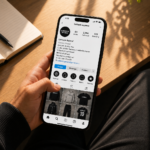
Shopify is the standard for independent clothing brands in 2026. Easy setup, professional themes, and every tool you’ll need is available as an integration. Instagram, TikTok, and Pinterest are the primary channels for clothing brands at launch not because they’re the cheapest, but because they’re where your customer already spends time looking at clothes.
The most underused pre-launch tool is a waitlist. A simple landing page with a “notify me when we launch” email signup, promoted through your personal network and a small paid campaign, gives you a list of real people who’ve already said they’re interested before you’ve spent a dollar on inventory. If you can’t build a waitlist of 200 people before launch, reconsider whether the niche and identity work is done.
Step 7 Price for Sustainability, Not for Competition
New brand founders learning how to start a clothing brand almost universally underprice their first collection. They compare their retail price to what Zara or H&M charges and adjust downward. This is the wrong comparison.
A Loopback Apparel blank hoodie at 480 GSM retails between $35–$50 per unit at wholesale. A brand that sources this blank, decorates it, applies private labeling, and sells direct-to-consumer should not be pricing at $45.
Sustainable pricing for an independent clothing brand factors in:
- Cost of goods: blank + decoration + labeling + packaging
- Fulfilment costs: shipping to customer, returns handling
- Marketing costs: paid ads, influencer seeding, content creation
- Operating costs: platform fees, transaction fees, software
- Target margin: 60–70% gross margin is the minimum for a brand that can reinvest in growth
Price for the margin you need to survive, not the margin that feels safe compared to mass-market alternatives. Your customer isn’t comparing you to H&M — they’re comparing you to other independent brands in your niche.
Step 8 Launch Small, Learn Fast, and Reorder What Sells
The clothing brands that survive their first year almost all share one characteristic: they launched small, learned quickly, and scaled what actually sold rather than what they thought would sell.
A first run of 50–100 units across 2–3 colorways tells you more about your customer than any amount of pre-launch research. Which color sold first? Which size ran out fastest? What did people say in their first review?
Use that data to inform your second order. And work with a manufacturer who can maintain consistent sizing, fabric, and construction across reorders so the customers who loved your first drop get the same product when they come back. “wholesale hoodies”
Frequently Asked Questions
How much does it cost to start a clothing brand?
Realistically, $1,500, $3,000 for a 50-piece launch using the blank apparel model. This covers samples ($100, $200), first production run ($800–$1,500), packaging and branding ($200, $500), and initial marketing. POD can be started for under $500 but carries lower margins and less brand control.
What is the best production model for a new clothing brand?
The blank apparel model sourcing quality unbranded blanks and applying your own decoration and private labeling is the best starting point for most serious brands . It eliminates development cost while giving you full control over quality and brand experience.
How do I choose the right blank for my clothing brand?
Ask for the exact GSM, confirm the fabric blend, verify seam construction (double-stitched is the minimum), and order a sample before committing to bulk. For premium streetwear positioning, look for 400 GSM and above.
How long does it take to launch a clothing brand?
With the blank apparel model, 8–12 weeks is realistic: 1–2 weeks for brand identity and design, 2–3 weeks for sampling and approval, 3–5 weeks for production, 1–2 weeks for shipping and setup. Custom manufacturing extends this to 16–24 weeks.
Do I need a tech pack to start a clothing brand?
For fully custom garments, yes. For standard styles sourced from a blank apparel supplier hoodies, sweatshirts, sweatpants you don’t need a tech pack. The blank is already a proven construction; you’re applying your decoration and branding on top of it.
What GSM should my hoodies be for a premium brand?
400 GSM is the entry point for premium positioning. For top-tier heavyweight streetwear, 450–480 GSM delivers the hand-feel and structure that communicates quality before a customer reads a label. Loopback Apparel manufactures at 480 GSM.
How do I find wholesale blank apparel for my clothing brand?
Look for manufacturers who publish their exact GSM, offer samples before bulk orders, and can confirm consistent sizing across production batches. Contact Loopback Apparel directly for wholesale pricing on 480 GSM hoodies, sweatshirts, and sweatpants.
Start With a Manufacturer Who Understands Your Brand Goals
Loopback Apparel manufactures premium blank hoodies, sweatshirts, and sweatpants at 480 GSM built specifically for brands, private label buyers, and decorators who need a blank that performs under a press and holds up through years of customer wear.
Flexible MOQs. Sample units before bulk commitment. Custom GSM available on request.
📧 loopbackapparel@gmail.com 🌐 www.loopbackapparel.com 📱 @apparelloopback
Contact us for wholesale pricing, sample requests, or custom GSM production.