
The Best Blank Hoodies for Screen Printing in 2026
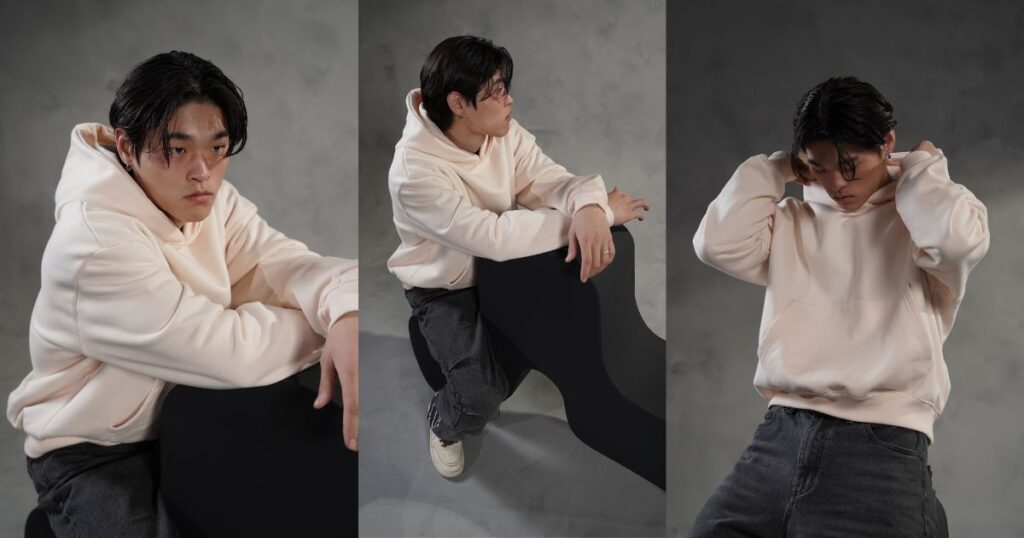
The best blank hoodies for screen printing aren’t the ones with the biggest brand name or the lowest price per unit. They’re the ones that hold ink cleanly, lie flat on the platen, and come back from the wash looking as good as they did off the press.
In 2026, the custom hoodie printing market is projected to reach $6.18 billion by 2030, growing at a 9.9% CAGR and the brands capturing that growth aren’t the ones using commodity blanks. They’re the ones using blanks that make their screen-printed designs look like retail products, not decorated apparel.
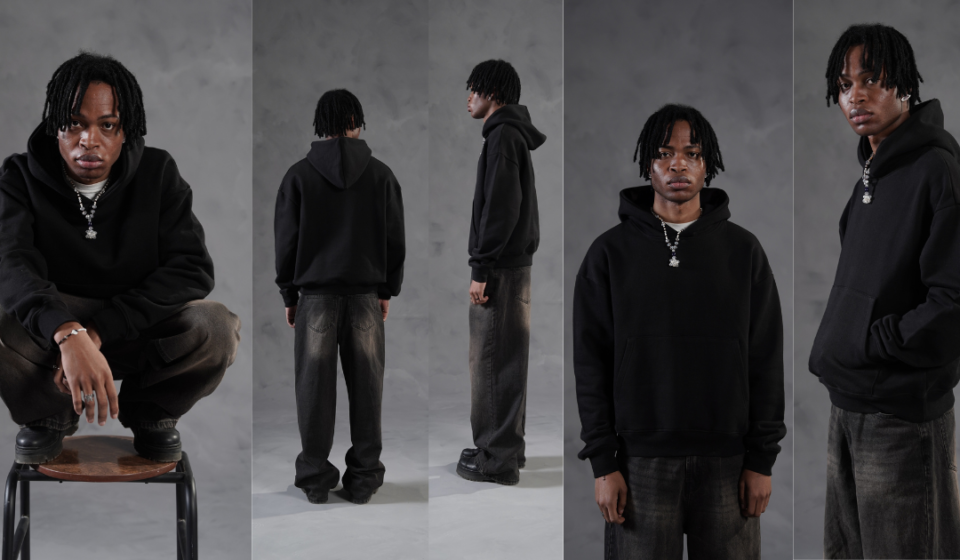
At Loopback Apparel, we manufacture blank hoodies at 480 GSM in an 80/20 cotton-polyester fleece blend a fabric density specifically chosen because it performs where standard blanks fall short: under a screen press, through repeated wash cycles, and on a retail hanger where the first impression closes the sale.
This guide covers exactly what makes a blank hoodie perform under a screen, how our 480 GSM blank compares to what most print shops are using today, and what to look for before you choose a blank for your next print run.
1. What Makes a Blank Hoodie Good for Screen Printing?
Screen printing is an unforgiving process. The ink sits on top of the fabric, which means every flaw in the blank loose knit, pilling, inconsistent nap shows up in the finished print.Before choosing any blank hoodie for screen printing, these are the factors that actually determine print quality:
1.1 Cotton Content and Face Quality
Cotton-poly blends are the most versatile materials for screen printing, DTG, and embroidery. But not all blends are equal. The key is the face yarn the exterior layer the ink actually contacts. A smooth, tight cotton face absorbs ink evenly and delivers crisp edge definition. Polyester-heavy faces resist absorption, which causes ink to sit unevenly on the surface and produces softer, less defined edges.
For screen printing specifically, 80% cotton content or higher is the reliable standard. Our blank hoodies are built on an 80/20 cotton-polyester blend, giving you a cotton-dominant face that holds screen printing ink predictably across plastisol, water-based, and discharge methods.
1.2 Fabric Weight and Platen Stability
Heavier fabrics provide better stability on press. A lightweight fleece stretches and shifts under squeegee pressure, while a heavier fleece stays put and maintains registration throughout the run.
This is the critical factor most wholesale buyers overlook. A lightweight 280 GSM blank moves under the squeegee. A 480 GSM blank doesn’t. That stability directly determines whether a multi-color design maintains registration across the full run which is the difference between a profitable job and a reprint.
1.3 Knit Construction and Surface Smoothness
Tighter construction means a smoother print surface. Open-knit or loosely constructed fleece allows ink to seep through the face and into the interior of the garment, wasting ink and creating a rough hand on the printed area.
Our 480 GSM fabric uses a tightly knit fleece construction with smooth, flat front and back panels the largest possible printable surface area on a hoodie, with no surface texture disrupting ink adhesion or edge clarity.
1.4 Pre-Shrunk Treatment
Any blank that shrinks after printing is a disaster. Pre-shrunk treatment accounts for fabric shrinkage during manufacturing so the garment you receive is already at its post-wash dimensions. Our blank hoodies include pre-shrunk treatment as standard, which means the print placement you approve in production is the placement your customer sees after 50 washes.
1.5 Seam Construction and Print Placement
Double-stitched seams at the shoulders and sides keep the garment flat and dimensionally stable during printing. Reinforced construction at the kangaroo pocket edges prevents the pocket seam from creating a ridge that disrupts flat-bed press contact across the lower chest.
2. Why GSM Matters More Than Brand Name for Screen Printing
Most screen printing guides recommend 280–340 GSM as the “standard” range for blank hoodies. That advice made sense when the market was dominated by commodity brands and budget-focused buyers. In 2026, it doesn’t tell the whole story.
Here’s how GSM tiers actually break down for screen printing performance:
| GSM Range | Performance for Screen Printing | Typical Use Case |
|---|---|---|
| 180–250 GSM | Poor too thin, shifts on press, shows through | Budget promo giveaways |
| 280–320 GSM | Adequate works for simple designs, single color | Standard team/event orders |
| 330–400 GSM | Good stable on press, better ink hold | Mid-tier merch and retail |
| 420–480 GSM | Excellent maximum stability, premium ink hold | Premium retail, streetwear brands |
At 480 GSM, the fabric is dense enough that ink sits on a genuinely stable surface not just “stable enough.” Multi-color screen prints with tight registration stay registered. Large-format chest prints don’t creep at the edges. And the finished garment feels like something a customer buys, not something they received for free.
3. Loopback Apparel Blank Hoodies for Screen Printing: Full Specs
Fabric
- 480 GSM 80/20 cotton-polyester fleece blend
- Brushed interior lining does not affect exterior print surface
- Tight knit construction with smooth, even face yarn across all colorways
- Pre-shrunk and colorfast treatment
Construction
- Double-stitched seams at shoulders, sleeves, and hem
- Smooth, flat chest and back panels maximum printable surface area
- Reinforced kangaroo pocket, stitched flush to prevent ridge interference with press contact
- Drop-shoulder construction oversized silhouette with more flat real estate for large front prints
Sizing
- Small through 2XL
- Consistent size specs held across every production batch critical for multi-size print runs where registration must match across sizes
Colors
- Beige, black, plum, and grey
- Colorfast treatment ensures dye stability under heat-press curing temperatures
Shipping
- Free on every order, no minimum
4. Screen Printing on 480 GSM vs Standard Blanks: The Real Difference
Most print shops have run jobs on Gildan 18500 (280 GSM, 50/50 blend) or similar commodity blanks. Here’s how the experience differs when moving to a 480 GSM blank:
On press: The 480 GSM blank doesn’t move. Squeegee pressure that would shift a lighter blank has no visible effect on a fabric this dense. Registration on multi-color jobs is noticeably easier to maintain across the full run.
Ink adhesion: The higher cotton content means plastisol and water-based inks absorb into the cotton fibers at the face rather than sitting purely on top. The result is a softer hand on the print area and better wash durability over time.
After curing: The dense fabric holds its dimensions through heat-curing without the thermal distortion that can affect lighter blanks at higher flash temperatures.
After washing: Pre-shrunk 480 GSM fabric maintains its dimensions more reliably than untreated lighter blanks. The print stays where it was placed, and the garment holds its shape and color through repeated customer washes.
5. Wholesale Blank Hoodies for Screen Printing at Loopback Apparel
For print shops, decorators, and brands sourcing in bulk, our wholesale program gives you consistent access to the same 480 GSM blank across every order.
Consistent fabric across batches Every production run uses the same tight specifications same GSM, same knit construction, same colorfast treatment so a job you set up on a sample blank performs identically on every unit in your bulk order.
Flexible MOQs We support both small test runs for new clients and large bulk orders for established print shops.
Sample units available Order a single blank before committing to a bulk run. Test your specific ink system, curing temperature, and design placement on our actual fabric before scaling.
Free shipping on every order No minimum, no threshold free shipping applies whether you’re ordering samples or a full production run.
Private labeling available For brands wanting a finished product rather than a decorated blank, custom neck tags, hang tags, and packaging are available on wholesale orders.
6. Frequently Asked Questions
What makes a blank hoodie good for screen printing?
The key factors are fabric weight (GSM), cotton content at the face, knit construction tightness, and pre-shrunk treatment. Higher GSM means better platen stability, higher cotton content means better ink adhesion, and tighter knit construction means a smoother print surface.
What GSM is best for blank hoodies for screen printing?
Most screen printers work with blanks in the 280–340 GSM range for standard jobs. For premium retail merch where the garment needs to feel substantial and the print needs to hold long-term, 420–480 GSM delivers noticeably better results.
Can you screen print on 480 GSM hoodies?
Yes. The dense fabric provides excellent platen stability the blank doesn’t shift under squeegee pressure, registration is easier to maintain, and the high cotton content delivers clean ink adhesion for plastisol, water-based, and discharge inks.
What is the difference between screen printing and DTG on blank hoodies?
Screen printing applies ink through a mesh screen in layers best for bold, solid designs at volume. DTG prints directly onto the fabric digitally best for complex, photographic designs in smaller quantities. Both work on quality blanks, but screen printing specifically benefits from higher GSM and smooth cotton face construction.
Do Loopback Apparel blank hoodies work for embroidery as well as screen printing?
Yes. The 480 GSM fabric density provides excellent structural stability for embroidery the dense fleece gives embroidery thread a firm anchor point, which keeps designs flat and dimensionally stable rather than puckering around the stitching.
What sizes are available for wholesale screen printing orders?
Small through 2XL, with consistent sizing tolerances held across every production batch important for multi-size print runs where registration setup must transfer accurately across sizes.
Is there free shipping on wholesale blank hoodie orders?
Yes. Free shipping applies to every Loopback Apparel order with no minimum required.
Can I order a sample blank hoodie before committing to a print run?
Yes. We strongly recommend ordering a sample first so you can test your ink system, curing temperature, and design placement on our actual fabric before committing to a full production run.
Get In Touch With Loopback Apparel
Ready to test the best blank hoodies for screen printing at 480 GSM? Order a sample, get a wholesale quote, or ask a technical question about print compatibility.
Loopback Apparel
📧 loopbackapparel@gmail.com 🌐 www.loopbackapparel.com
Follow us: Instagram
Free shipping on every order. Samples available before bulk commitment.